Classic and modern eurotechtalk – How Europe’s Tech Conversations Evolved And Where They’re Headed In 2026
 Jyntharion Vorkal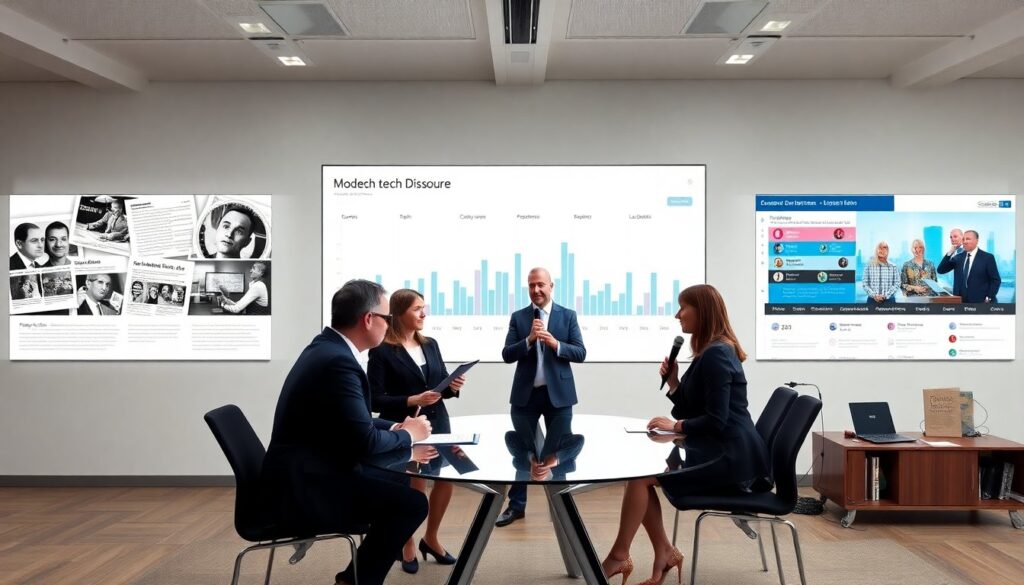
Classic and modern eurotechtalk shows how Europe discussed tech then and now. The article traces the early forums, major voices, key topics, and the recent shift to new platforms. It points to patterns that shape policy and public debate in 2026. The reader gains a clear timeline and practical signals about where eurotechtalk will move next.
Key Takeaways
- Classic eurotechtalk laid the groundwork for today’s discussions by focusing on regulation, infrastructure, and ethics in data use.
- The transition to modern eurotechtalk accelerated with social media, podcasts, and startups bringing faster, more public debates on technology policy.
- Modern eurotechtalk highlights issues like AI safety and platform accountability, emphasizing cross-border cooperation and iterative policymaking.
- New platforms and formats enable diverse voices to influence the conversation, reducing traditional gatekeeping in eurotechtalk.
- Understanding the evolution from classic to modern eurotechtalk reveals how technology debates shape Europe’s legal and policy frameworks today.
Origins And Legacy Of Classic EuroTechTalk
Classic and modern eurotechtalk began in academic journals and policy papers. Early actors held conferences in capitals and universities. National institutes set agendas and funded research. Newspapers amplified expert voices to mass audiences. Tech companies presented case studies to policymakers. The dialogue favored regulation, standards, and public investment. The legacy persists in legal frameworks and research networks. It also persists in shared vocabulary across ministries. This foundation shaped how later conversations framed privacy, competition, and digital rights.
Signature Themes And Voices Of The Classic Era
Classic and modern eurotechtalk carried a set of repeat topics and repeat figures. The era highlighted regulation, infrastructure, and industrial strategy. It also highlighted ethical debate on data use. Leaders in government and universities drove policy proposals. Business associations and public broadcasters shaped public opinion. NGOs raised human-rights concerns and pushed transparency. Think tanks produced reports that lawmakers cited. Journalists translated technical language for voters. These roles created a layered conversation that mixed expert analysis with public pressure.
The Transition From Classic To Modern EuroTechTalk
Classic and modern eurotechtalk shifted as new tools reached wide audiences. Social media allowed rapid debate and direct access to experts. Podcasts and newsletters shortened the route from research to public view. Startups and investors entered policy debates with case studies and data. Regulators responded faster and issued guidance more often. Member-state initiatives cross-pollinated at EU level. The transition also changed tone. Conversations became faster and more public. This speed altered how stakeholders balanced technical details and political pressure.
Defining Characteristics Of Modern EuroTechTalk
Modern eurotechtalk displays new traits and new rhythms. It mixes policy briefs with social posts and short videos. It raises issues such as AI safety, data portability, and platform accountability. It emphasizes cross-border cooperation and operational experiments. Private firms publish transparency reports and technical docs. Small civic groups use data tools to show real-world impacts. Policymakers cite open-source metrics during debates. The conversation now favors fast feedback cycles and iterative rules. This pattern changes how law, markets, and civic actors interact in Europe.
Platforms, Formats, And New Modes Of Conversation
Modern eurotechtalk runs on many platforms and many formats. Twitter-style feeds offer quick takes and live updates. Long-form newsletters host deep analysis and proposals. Podcasts let experts explain methods and results. Academic preprints circulate before formal peer review. Interactive dashboards present live metrics on policy outcomes. Hybrid events combine in-person panels with global streams. Platforms also changed gatekeeping. Independent voices can reach large audiences without institutional backing. This shift lets diverse actors shape narratives and test ideas in public.