Madison Genthry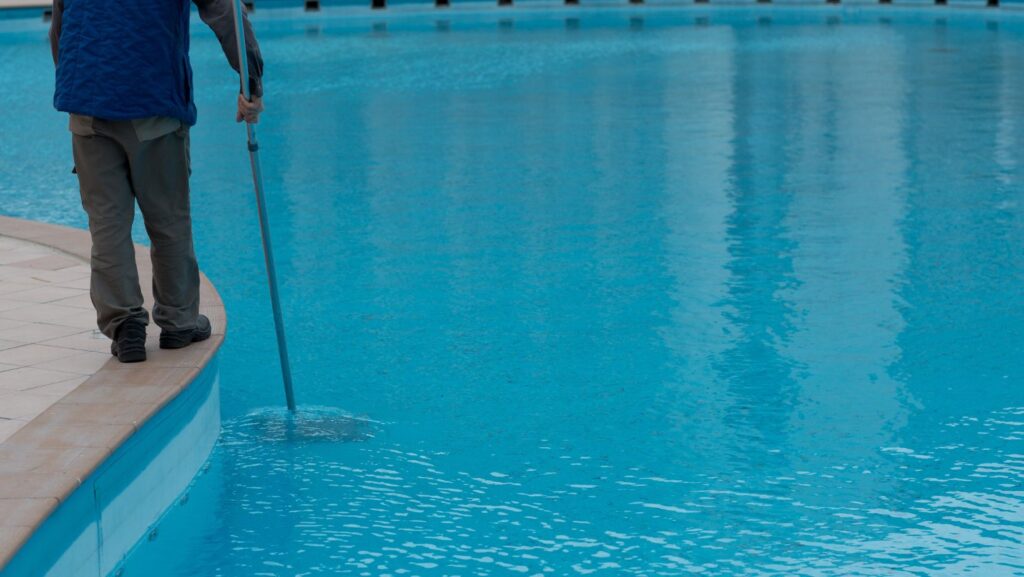
For many people, owning a swimming pool represents the ultimate backyard luxury. It is supposed to be your private escape from the summer heat and the centerpiece for weekend social gatherings. However, for a lot of homeowners, that dream of a crystal-clear oasis is often clouded by the reality of constant work. The traditional approach to caring for a pool usually involves hours of skimming, scrubbing, and tedious chemical testing, which can quickly turn a source of relaxation into a burdensome chore. The good news is that achieving professional-grade water quality does not mean you have to spend every weekend in a swimsuit with a telescopic pole in hand. By shifting your focus toward automation, preventative measures, and smart landscaping, you can drastically reduce the time spent on upkeep.
1.Master the Fundamentals of Preventative Water Chemistry
The real secret to a low-maintenance pool actually starts with the water itself. When your chemical levels are allowed to fluctuate wildly, the water becomes a breeding ground for algae and bacteria. This leads to cloudy water that requires a ton of intensive labor and expensive shock treatments to fix. By maintaining a consistent chemical balance, you effectively stop these problems before they ever get a chance to start. Testing your water twice a week during the peak of the season might seem like a hassle, but it is a small investment of time that pays massive dividends.
You should focus on three primary metrics: pH levels, alkalinity, and sanitizer levels. Keeping your pH between 7.2 and 7.6 ensures that your chlorine works effectively and prevents skin irritation or equipment corrosion. If you find manual testing to be a bit tedious, you might want to consider installing an automated chemical feeder or a salt-water chlorination system. These types of systems release a steady stream of sanitizer into the water, which eliminates the need for daily manual dosing and keeps the environment hostile to organic growth without constant supervision from you.
2.Optimize Your Filtration and Circulation Schedule
Stagnant water is effectively the enemy of a clean pool. Proper circulation ensures that your chemicals are evenly distributed and that debris is pushed toward the filtration system where it belongs. Most pool owners make the mistake of running their pump for too few hours to save on electricity, but this often leads to more work in the long run. Modern variable-speed pumps are designed to run longer at lower speeds, which is significantly more energy-efficient and provides much better filtration.
To keep your maintenance minimal, you should set your pump to run for at least eight to twelve hours a day. This ensures that the entire volume of your pool is turned over at least once. Additionally, make it a habit to clean your filter regularly, but try not to overdo it. A slightly dirty filter is actually more efficient at catching smaller particles than a brand-new one. You should wait until the pressure gauge reads about 8 to 10 psi above the clean starting pressure before you think about backwashing or cleaning out the cartridges.
3.Embrace the Power of Automated Cleaning Technology
If you really want to remove the most labor-intensive part of pool ownership, investing in technology is the way to go. Manual vacuuming is a slow process that requires a lot of precision and patience. In contrast, a modern pool cleaner can handle the heavy lifting while you focus on other things. These devices are designed to navigate the floor, walls, and even the waterline of your pool, scrubbing away buildup and collecting debris in internal canisters.
Using an intelligent cleaning device allows you to set a schedule and just walk away. Unlike older suction or pressure-side models that rely on your pool’s primary pump, robotic versions operate independently and often provide much better filtration of fine particles. By allowing a dedicated machine to patrol the depths of your pool daily, you prevent the accumulation of silt and leaves that would otherwise require hours of manual labor to remove. It is a true “set and forget” solution for a sparkling floor.
4.Manage Your Surrounding Landscape for Greater Efficiency
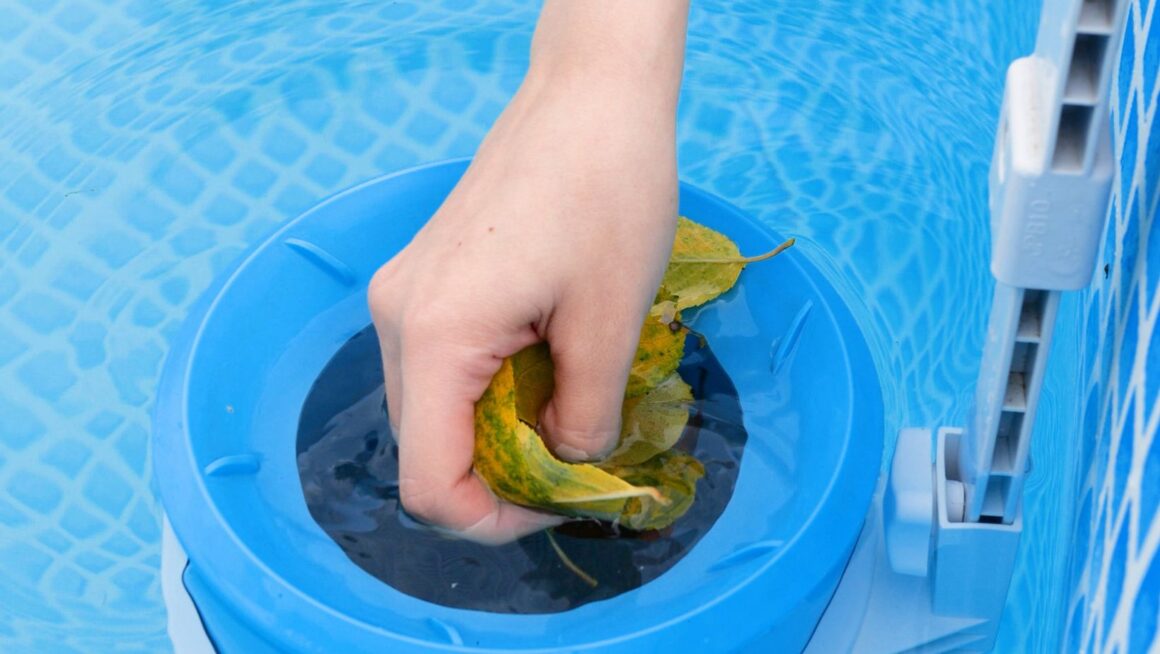
A significant portion of pool debris actually comes from the immediate environment. Trees that drop leaves, flowering shrubs that shed petals, and loose mulch can all wreak havoc on your water quality. To minimize your effort, take a look at your backyard as a whole. Making strategic landscaping choices can act as a natural barrier against wind-blown debris. For example, planting evergreen trees instead of deciduous ones can keep the leaf count in the water much lower.
Water management in your garden also plays a role in pool cleanliness. Over-saturation of the soil near your pool deck can lead to muddy runoff entering the water during heavy rains. Ensuring that your irrigation system is properly calibrated and directed away from the pool area prevents fertilizers and organic matter from contaminating the swimming environment. Smart watering solutions allow you to maintain a beautiful perimeter without the risk of overspray or flooding that adds to your cleaning workload.
5.Utilize Pool Covers to Block Debris and Evaporation
One of the simplest yet most overlooked tools for a low-maintenance pool is a high-quality cover. A pool cover acts as a physical shield, keeping out leaves, insects, and bird droppings when the pool is not in use. Beyond just keeping things clean, it also significantly reduces water evaporation and chemical loss due to UV exposure. This means you spend less money on water and less time balancing the chemistry.
If a traditional manual cover feels like too much work for you, automatic safety covers can be deployed with the turn of a key or the push of a button. By keeping the pool covered during the night or when you are away for the weekend, you ensure that you return to water that is nearly as clean as when you left it. This single habit can reduce your skimming and vacuuming time by more than seventy percent, which is a massive win for a busy homeowner.
6.Develop a Sustainable Maintenance Routine for Longevity
Ultimately, efficiency is often the result of consistency rather than intensity. Rather than dedicating an entire Saturday to pool chores, try implementing a five-minute daily check. Skim the surface for any stray leaves, check the skimmer baskets, and glance at the pump. These small actions prevent minor issues from snowballing into major projects that require a whole day to fix.
When you combine these quick checks with automated tools and smart landscaping, the effort required to keep your pool pristine becomes almost negligible. The goal is to spend more time enjoying the water and less time working around it. By delegating the heavy cleaning to machines and maintaining a proactive approach to water chemistry, you can finally achieve the stress-free outdoor lifestyle you always envisioned when you first put the pool in.