The Desk-to-Doorstep Revolution: How Folding E-Bikes Are Changing Urban Mobility
 Madison Genthry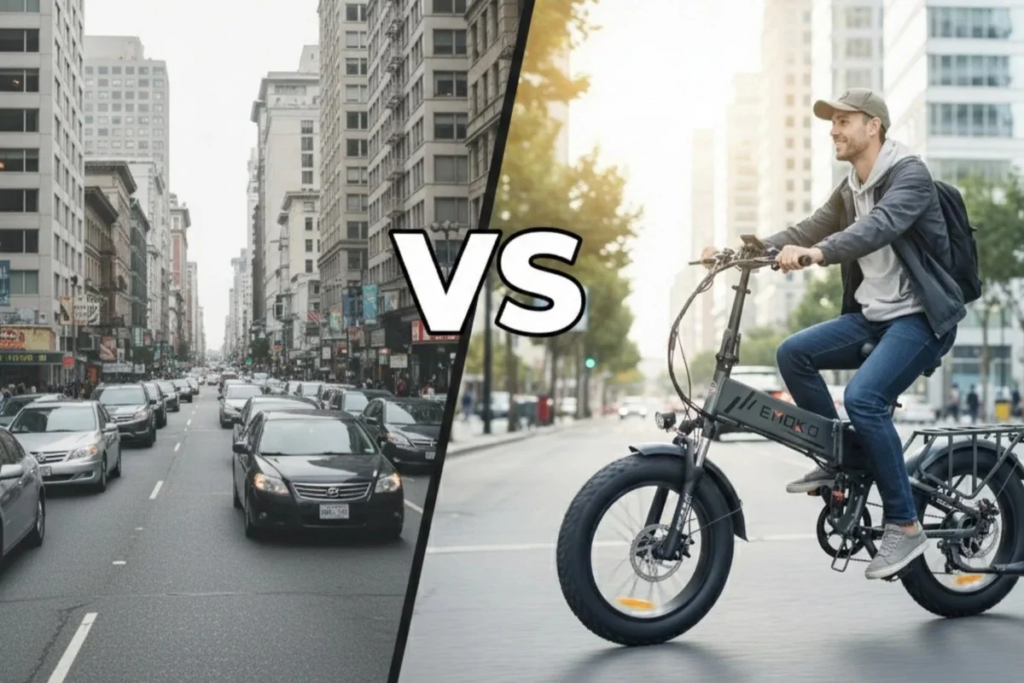
A compact electric bike can help commuters avoid traffic, parking pressure, and last-mile delays.
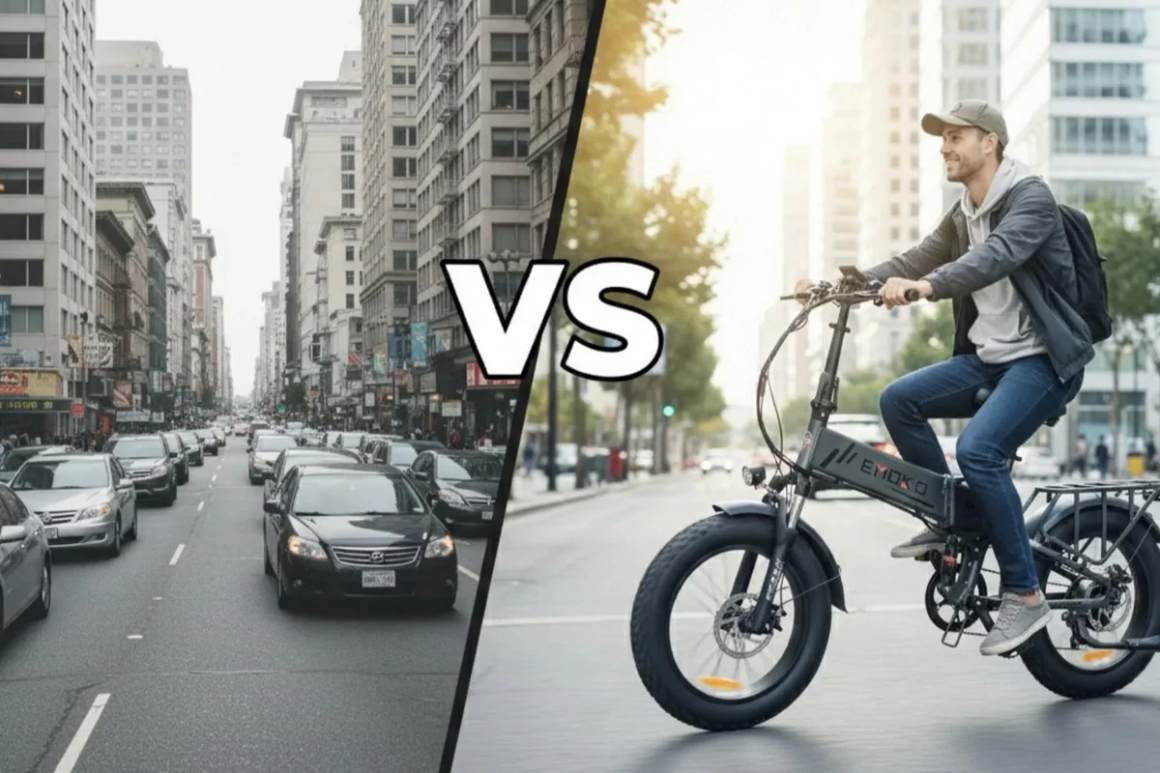
Urban transportation is changing because people are tired of wasting time between crowded trains, expensive parking, and slow car traffic. For many commuters, the daily journey is no longer just about getting from home to work. It is about finding a cleaner, more flexible way to move through the city without giving up comfort or control.
That is why folding electric bikes are becoming a practical alternative for people who want a compact vehicle for mixed-mode commuting. Instead of choosing only a car, bus, train, or traditional bicycle, riders can combine different transportation methods and keep their own mobility option with them.
The Problem With Traditional Urban Commuting
For office workers, students, and city residents, commuting often creates three recurring problems: cost, time, and storage. A car may feel convenient, but fuel, insurance, parking, and maintenance quickly add up. Public transportation can be affordable, but it may not cover the last mile between the station and the final destination. A regular bicycle can solve part of the problem, but theft risk and storage limits make it less convenient in apartments, offices, or shared buildings.
This is where compact electric mobility becomes valuable. The goal is not simply to move faster. The goal is to reduce friction in daily travel. When a rider can move through bike lanes, avoid parking stress, and still store the vehicle indoors, the commute becomes easier to manage.
A Simple Monthly Commute Comparison
| Commute Method | Common Costs | Typical Monthly Cost | Practical Limitation |
| Car commute | Fuel, parking, insurance, maintenance | $250–$600+ | Traffic, parking pressure, high ownership cost |
| Ride-share or taxi | Daily fares and peak-hour pricing | $300–$800+ | Unstable cost during busy hours |
| Public transport | Monthly pass, transfers, last-mile travel | $80–$200 | Less flexible and often still requires walking |
| Traditional bicycle | Locks, maintenance, accessories | $10–$40 | Theft risk, limited distance, no motor assistance |
| Folding e-bike | Charging and basic maintenance | $10–$30 | Higher upfront purchase cost |
Actual costs vary by city and riding habits, but the comparison shows why many commuters are now considering compact electric mobility as a long-term alternative rather than a short-term gadget.
Why Folding Design Matters
A folding frame changes how an e-bike fits into real life. In many cities, the biggest challenge is not riding the bike; it is storing it after the ride. People living in apartments may not have a garage. Office workers may not want to leave a vehicle locked outside all day. Some commuters want to bring their ride onto a train, into an elevator, or into a workspace.
A foldable frame makes the EC20 easier to store indoors, carry into buildings, or transport between trips.
A foldable structure helps solve those daily problems. It makes the bike easier to store, easier to transport, and easier to protect from theft. For riders who move between home, public transit, office buildings, and weekend routes, portability is not a small feature. It becomes part of the vehicle’s core value.
Comfort Is Becoming Part of the Technology
Early compact e-bikes were often judged mainly by size and battery range. Today, comfort matters just as much. Urban roads are rarely perfect. Riders deal with potholes, broken pavement, curbs, wet surfaces, and uneven paths. A smaller electric bike that feels harsh on rough roads will not encourage daily use.
That is why suspension design is becoming more important in commuter-focused e-bikes. A full suspension setup helps absorb bumps and reduces fatigue during longer rides. It also makes the bike feel more stable when moving through mixed surfaces, from city roads to park paths and light outdoor routes.
Full suspension helps improve comfort when city routes include bumps, broken pavement, or uneven surfaces.
For commuters, this comfort advantage is practical. A smoother ride can make the difference between using an e-bike occasionally and making it part of a daily routine. When the vehicle feels stable, compact, and comfortable, it becomes easier to rely on it for repeated trips.
A Smarter Fit for Mixed-Mode Travel
Mixed-mode commuting means combining more than one type of transportation in a single journey. For example, a rider may use an e-bike to reach the train station, fold it during transit, and then ride again from the station to the office. Another rider may place it in a car trunk for weekend travel, then use it to explore a park, campus, or coastal route.
This flexible approach is exactly why the Emoko EC20 has a clear role in modern urban mobility. It combines folding convenience with full suspension comfort, giving riders a compact electric option that can move between daily commuting, storage-limited living, and casual weekend riding.
The Emoko EC20 combines folding convenience, full suspension comfort, and everyday commuter practicality.
For people who do not want a large e-bike taking up home space, a compact model can feel more practical. For riders who worry about leaving a bike outdoors, indoor storage adds peace of mind. For commuters who face rough roads, suspension helps make the ride more comfortable. These details work together to support a more flexible lifestyle.
What Riders Should Consider Before Switching
Before choosing a folding e-bike, riders should think about how they actually travel. The most important questions are simple: How far is the daily route? Is storage space limited? Will the bike need to enter an elevator, office, train, or car trunk? Are the roads smooth, or will the rider face bumps and uneven surfaces?
Battery capacity, frame strength, tire size, braking performance, and suspension design all matter. A commuter e-bike should not only look compact; it should also feel stable and reliable in daily use. For many riders, the ideal setup is one that balances portability, comfort, and enough power for repeated trips.
The Future of Personal Urban Mobility
Cities are not becoming less crowded, and commuting costs are not disappearing. People are looking for smaller, cleaner, and more adaptable ways to move. Folding electric bikes fit this shift because they give riders more control over the parts of the journey that traditional transport often ignores.
The desk-to-doorstep idea is simple: a commuter vehicle should not become another storage problem. It should fit into daily life, support flexible travel, and make the rider feel less dependent on traffic, parking, or fixed schedules. For modern urban mobility, that is why folding e-bikes are becoming more than a convenience. They are becoming a practical transportation tool.