Renee Matheson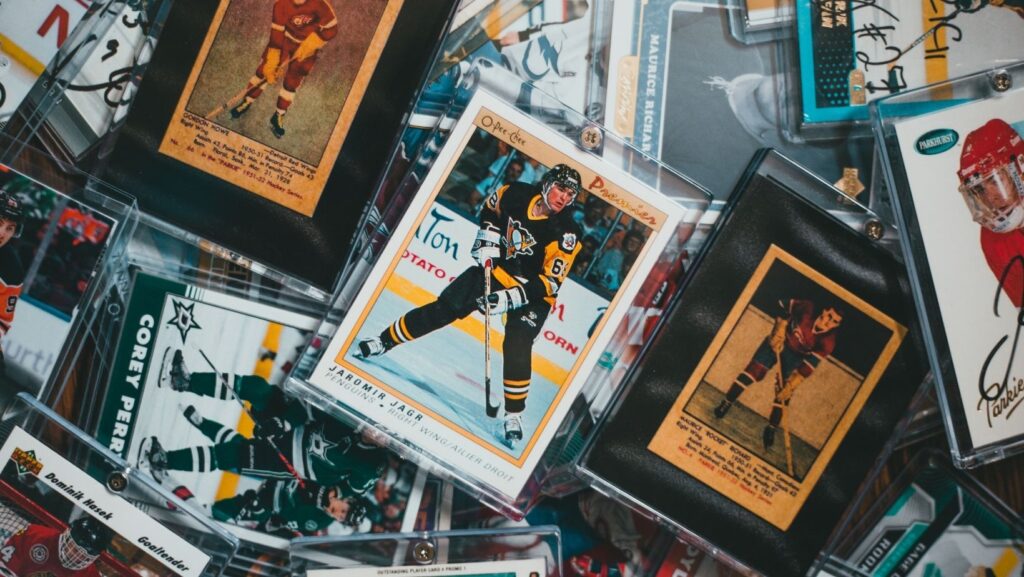
The sports card market has evolved significantly over the years, transitioning from a niche hobby into a broader collectibles industry. While originally cantered around casual trading, it now involves structured buying, selling, and valuation practices. As interest continues to grow, understanding how the market functions become increasingly important for both new and experienced collectors.
What Are Sports Cards?
Sports cards are collectible items that feature athletes from various sports, often including statistics, images, and historical information. These cards can vary widely in value depending on factors such as rarity, condition, and player popularity. Over time, certain cards have become highly sought after, particularly those associated with well-known athletes or limited production runs.
The appeal of sports cards lies in both their collectible nature and their connection to sports history. For many collectors, the value extends beyond monetary worth, reflecting personal interest and nostalgia.
Factors That Influence Card Value
Several elements contribute to the value of a sports card. Rarity is one of the most significant factors, with limited-edition cards generally commanding higher prices. Condition also plays a critical role, as cards are often graded based on factors such as centring, edges, and surface quality.
Player performance and popularity further impact value. Cards associated with successful or widely recognized athletes tend to attract more demand. Additionally, historical significance, such as rookie cards or milestone achievements, can increase desirability among collectors.
Buying and Selling in the Market
The process of buying and selling sports cards has become more structured with the rise of online platforms. These platforms allow collectors to browse listings, compare prices, and complete transactions in a more organized environment.
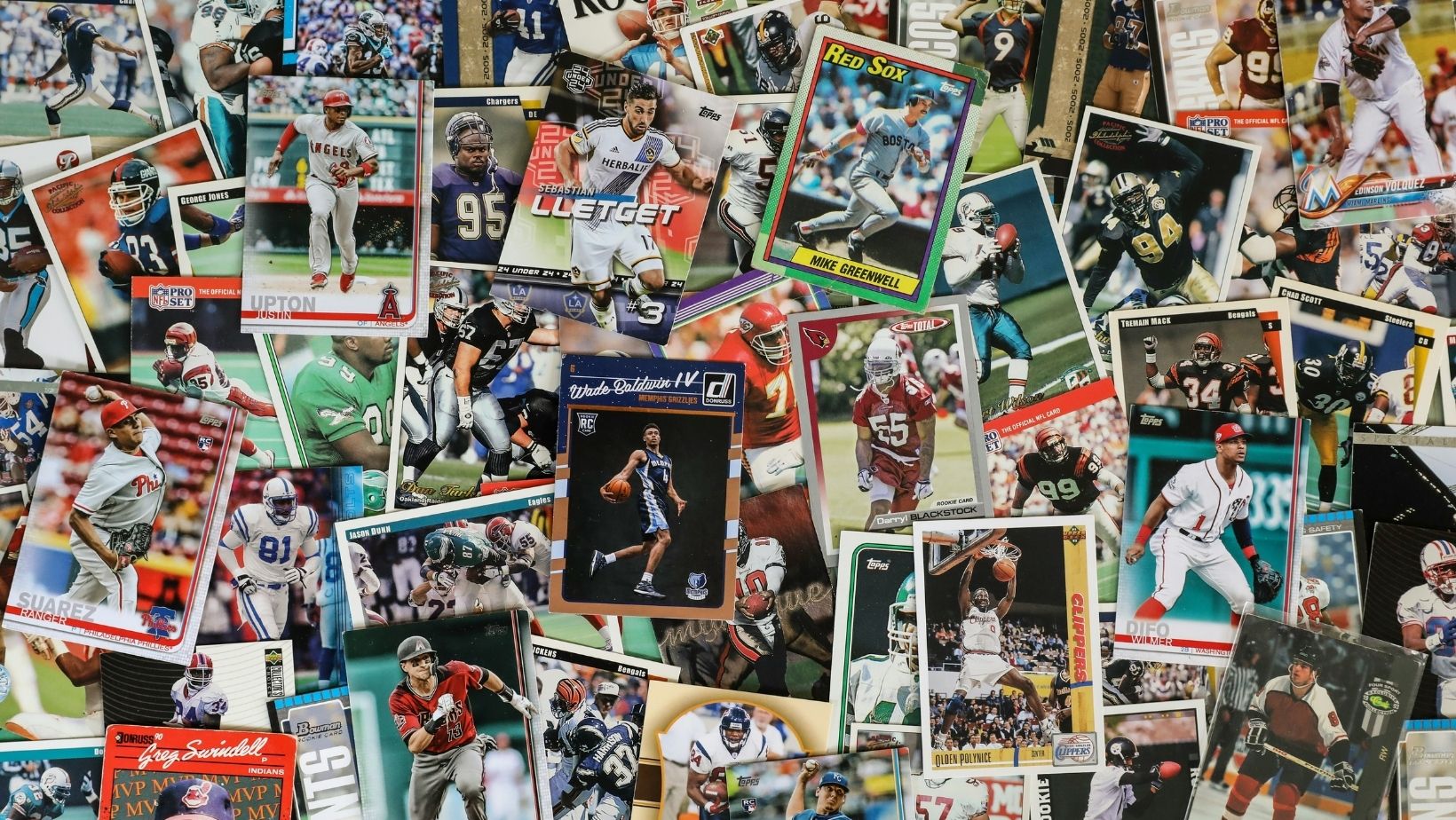
For example, platforms like Sports Cards Reserve provide a centralized space where collectors can explore different cards and manage transactions. Such platforms reflect the broader shift toward digital marketplaces, making it easier to access a wide range of collectibles.
Role of Grading and Authentication
Grading and authentication are essential aspects of the modern sports card market. Professional grading services assess the condition of cards and assign standardized ratings. This process helps establish trust between buyers and sellers by providing an objective measure of quality.
Authenticated cards are generally more valuable because they reduce uncertainty about condition and authenticity. As a result, grading has become a standard practice for high-value transactions within the market.
Market Trends and Growth
The sports card industry has experienced periods of rapid growth, driven by increased interest from collectors and investors. Online marketplaces, social media communities, and digital tools have contributed to this expansion by making the market more accessible.
Trends such as limited-edition releases, autograph cards, and digital collectibles have also influenced how collectors engage with the hobby. While market values can fluctuate, the overall interest in sports cards remains strong due to their cultural and historical significance.
Challenges in the Market
Despite its growth, the sports card market presents certain challenges. Price volatility can make it difficult to determine long-term value, especially for newer collectors. Additionally, counterfeit cards and inconsistent grading standards can create uncertainty in transactions.
To navigate these challenges, collectors often rely on verified platforms, professional grading services, and market research. Staying informed about trends and pricing can help reduce risks and support more informed decisions.
Last Words
The sports card market combines elements of collecting, investing, and historical appreciation. Understanding factors such as card value, grading, and market trends can help individuals navigate this evolving space more effectively.
As the industry continues to develop, digital platforms and structured marketplaces are playing an increasingly important role in shaping how collectors buy, sell, and manage their collections.