Elyndarin Zorkal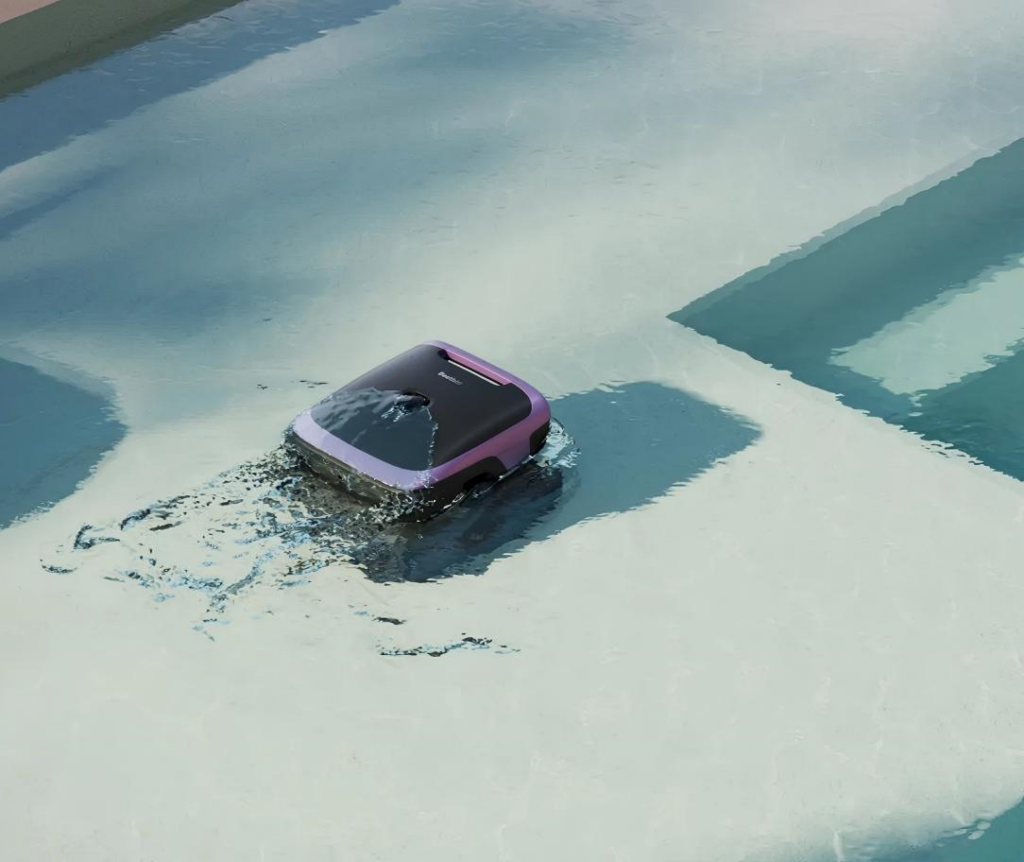
A busy pool can change fast. One afternoon of kids jumping in and out, friends swimming after lunch, floats moving around, and people walking across the deck can leave the water looking different by the next morning. It may not turn green right away. More often, it starts as a soft haze, a milky look, or water that no longer feels as crisp as it did before the weekend.
Heavy use adds pressure to the whole pool system. Swimmers bring in sweat, body oils, sunscreen, lotions, hair products, cosmetics, dirt, and small particles from feet, towels, toys, and the surrounding patio. At the same time, the water is being stirred constantly, so fine debris that had settled on the floor may lift back into the water.
This is why cloudy water after a pool party is not always caused by one simple issue. It can involve chemistry, circulation, filtration, and physical debris at the same time. A pool works like a small home system: sanitizer controls contaminants, filtration removes particles, circulation moves water, and cleaning tools handle debris. When heavy use pushes all of those parts at once, the water can lose clarity quickly.
Swimmer Waste and Sunscreen Are Bigger Problems Than They Look
Oils, Sweat, and Lotions Create Fine Particles
Most people do not think of swimmers as a source of pool pollution, but every swimmer adds something to the water. Sweat, skin oils, sunscreen, deodorant, makeup, hair products, and tiny fibres from swimwear or towels can all enter the pool during use.
Sunscreen is one of the biggest summer culprits. It may float on the surface, collect around the waterline, or break into fine particles that make the water look dull. Body oils and lotions can create a light film that is not always obvious until sunlight hits the pool at an angle.
These particles are small, so the filter may need more time to remove them. Some may cling to walls, steps, or the waterline. If the waterline feels greasy after a busy swim day, the solution is not only chemical testing. It also needs brushing and better physical cleaning.
A quick rinse before swimming can help. It will not remove every contaminant, but it can reduce the amount of sunscreen, sweat, and dust entering the water.
More People Means Faster Chlorine Demand
The more people use the pool, the faster chlorine gets used up. Chlorine has to work on sweat, body oils, organic debris, bacteria, and other contaminants. If the pool has many swimmers for several hours, sanitizer demand can rise quickly.
That is why water that looked fine during the party may look cloudy the next morning. The sanitizer may have dropped, pH may have shifted, and the filter may still be trying to remove suspended particles.
After heavy use, testing matters more than guessing. Check chlorine and pH before adding more chemicals. If chlorine is low, adjust it based on test results and product directions. If the water was heavily used, the pool may also need longer filtration time.
Chemical Imbalance After Heavy Use Can Make Water Look Dull
Cloudy water is often blamed on dirt, but chemistry can be just as important. If chlorine is too low, the water may not stay properly sanitized. If pH is too high or too low, chlorine may not work as effectively, and swimmers may notice irritation. If alkalinity is unstable, pH can drift more easily.
Heavy use can also affect calcium hardness, dissolved solids, and overall water balance. In some pools, the water may turn hazy because tiny particles remain suspended. In others, early algae growth may begin when sanitizer drops and warm water creates the right conditions.
The best order is simple: test first, then act.
Do not add several products at once because the water looks cloudy. Start with the main readings: chlorine, pH, alkalinity, and water clarity. Then check whether the filter is working properly. If the chemistry is off, correct it gradually and let the water circulate before retesting.
For homeowners comparing a cordless pool vacuum robot, it helps to remember that a cleaner can remove physical debris, but it cannot correct chlorine, pH, or alkalinity. Clear water needs both proper chemistry and good cleaning.
Filtration and Circulation Often Decide How Fast Water Clears
After heavy use, the filter has more work to do. It may be dealing with sunscreen residue, fine dust, pollen, body oils, hair, small fibres, and particles stirred up from the floor. If the filter is dirty or water flow is weak, cloudy water can linger even when the chemical readings look acceptable.
Start with the simple checks. Is the skimmer basket full? Is the pump basket packed with leaves or insects? Is the filter cartridge dirty, or does the sand or DE filter need maintenance? Is the water level high enough for the skimmer to work properly? Are the return jets moving water well?
Cloudy water after shock treatment can also be a filtration issue. Dead algae and fine particles still need to be removed from the water. If the filter is clogged or the pump is not running long enough, the pool may stay dull longer than expected.
Filtration is not exciting, but it is often the difference between water that clears overnight and water that stays hazy for days.
Debris Gets Stirred Up From the Floor, Walls, and Waterline
Heavy use does not only add new contaminants. It also disturbs old ones.
When swimmers jump, play games, move floats, or walk across shallow areas, fine dirt on the floor can lift back into the water. Sand, dust, pollen, dead algae, and small organic particles may become suspended again. This gives the water a cloudy look even if the pool was recently vacuumed.
The walls and waterline matter too. Sunscreen residue, body oils, and early algae film can collect where swimmers touch the pool most often. If those areas are not brushed, movement in the water can loosen some of the buildup and spread it around.
A good recovery order after heavy use is:
- Skim the surface for leaves, insects, and floating debris.
- Brush the waterline, steps, corners, and walls.
- Vacuum the floor or run a robotic cleaner.
- Clean baskets and check filter pressure.
- Test and adjust water chemistry.
That order keeps the pool from becoming a guessing game. It handles visible debris, loosened buildup, filtration, and chemistry in a logical way.
Smart Cleaning Support After Busy Swim Days
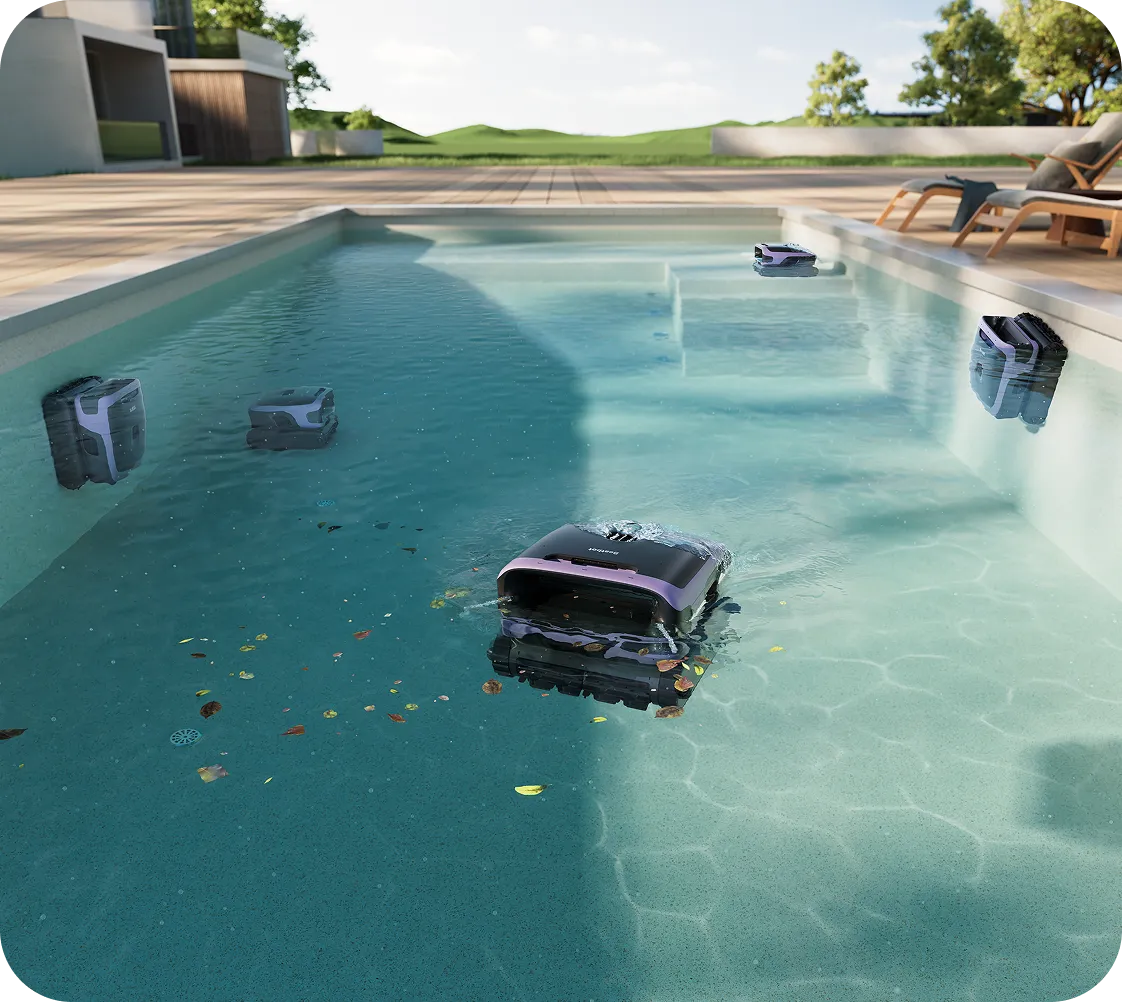
For pools that get cloudy after heavy use, Beatbot Sora 70 is a fitting product example because the problem usually affects more than one cleaning zone. After a pool party or a full weekend of swimming, debris may be floating on the surface, fine particles may be stirred up from the floor, and sunscreen residue may collect along the waterline. Sora 70 is designed to clean the water surface, floor, walls, and waterline, which makes it more relevant to this topic than a floor-only cleaner or a simple skimmer.
In a real home setting, a homeowner could test the water, check the baskets and filter, then run a cleaner like Beatbot Robotic Pool Cleaner Sora 70 to handle mixed debris across the surface, floor, walls, and waterline. That can reduce the amount of manual brushing and vacuuming needed after heavy use, especially when the pool has fine dirt, floating leaves, oily waterline residue, or debris stirred up by swimmers. For anyone looking at a cordless pool vacuum robot, the key is whether it supports the full post-swim cleanup routine rather than only one part of the pool.
This should still be kept realistic. Beatbot Robotic Pool Cleaner Sora 70 does not replace pH testing, chlorine adjustment, filter cleaning, shock treatment when needed, or occasional brushing in tight corners. It is smart support for physical cleaning, not a replacement for complete pool care.
Cloudy After Heavy Use: Quick Diagnosis Table
Cloudy water is easier to fix when the likely cause is narrowed down first. This table can help homeowners choose the right first step instead of adding chemicals blindly.
|
Cloudy Water Clue |
Likely Cause |
First Step |
|
Water looks milky after a party |
Sunscreen, oils, sweat, and fine particles |
Test chlorine and run filtration longer |
|
Chlorine reads low |
High bather load used up sanitizer |
Adjust chlorine or shock if needed |
|
Water stays cloudy after shock |
Dead algae or particles not filtered out |
Clean filter and keep pump running |
|
Water flow feels weak |
Clogged skimmer, pump basket, or filter |
Empty baskets and check filter pressure |
|
Waterline feels greasy |
Sunscreen and body oils |
Brush waterline and improve surface cleaning |
|
Floor dust keeps returning |
Fine debris stirred up by swimmers |
Vacuum or run robotic cleaner |
Do not treat every cloudy pool the same way. If water flow is weak, more chemicals will not solve the filter problem. If chlorine is low, cleaning alone will not restore sanitizer control. If the floor keeps releasing dust, the pool needs physical cleaning along with circulation and filtration.
If the water turns green, smells unpleasant, or stays cloudy after repeated care, a professional water test can save time.
How to Prevent Cloudy Water After the Next Busy Swim Day
Cloudy water after heavy use is easier to prevent than fix. The best routine starts before swimmers get in and continues after they leave.
Before swimming, encourage a quick rinse when possible. This reduces sunscreen, sweat, and dirt entering the pool. During the day, remove obvious leaves or floating debris before they sink. After swimming, skim the surface, check the skimmer basket, and look at the waterline for oily residue.
That evening or the next morning, test chlorine and pH. Heavy use often lowers sanitizer faster than expected. If the readings are off, adjust them based on the product instructions. Run the pump longer after a pool party, storm, or very busy swim day so the filter has enough time to catch suspended particles.
Weekly care should also include brushing walls and waterline areas, vacuuming or running a robotic cleaner, checking filter pressure, and cleaning baskets. After rain, heat waves, or several days of use, add one quick maintenance check.
Clear Water Comes From Helping the Whole System Catch Up
A cloudy pool after heavy use is usually a signal that the pool system is under extra load. Chemistry, circulation, filtration, and cleaning all need to catch up.
Swimmers add oils, sweat, sunscreen, and fine particles. Movement stirs debris from the floor. Sanitizer gets used faster. Filters work harder. Waterlines collect residue. When those things happen together, the pool can turn cloudy even if it looked fine the day before.
The solution is not panic cleaning or random chemical use. Test the water, check the filter, remove debris, brush problem areas, and run the right cleaning cycle. When homeowners respond in the right order, the water clears faster and the pool stays ready for the next swim.