Elyndarin Zorkal

Compost for garden beds
Think about shipping compost to enrich your garden beds! It’s more than just darkening up the soil – it’s about creating a dynamic, living ecosystem that’s primed for success.
What Finished Compost Adds to Soil
Compost is the end product of decomposition, often referred to as humus. It’s crumbly, stable, and made up of various materials like plant matter, manure, food scraps, leaves, and other yard waste. Unlike raw ingredients, finished compost doesn’t look like what it started out as. When incorporated into garden beds, compost:
- Breaks up compacted soil for easier root penetration
- Helps sandy soils retain nutrients and moisture
- Encourages healthy microbial activity and earthworms
- Contributes balanced, slow-release nutrients
- Enhances soil structure with regular use
Compost Shipping is a fantastic way to enhance your garden beds, especially if you’re looking to improve soil conditions. Healthy soil is crucial for growing everything from flowers and vegetables to herbs and shrubs.
Sometimes, gardeners think the more compost the better, but that’s not the case. While compost is an excellent soil amendment, using it as the sole component in a garden bed isn’t ideal for most situations. Too much compost can lead to overly wet conditions, excessive settling, and may provide more nutrients than necessary for established garden beds.
The best way to use compost is to incorporate it into the top layer of soil. If your own pile runs short, purchased organic compost for garden beds provides finished material for the top layer. If you don’t have access to finished compost or produce limited yard waste for your compost pile, consider shipping finished compost to ensure your garden beds have an ample supply of this valuable soil amendment.
Check What Arrives Before Using It
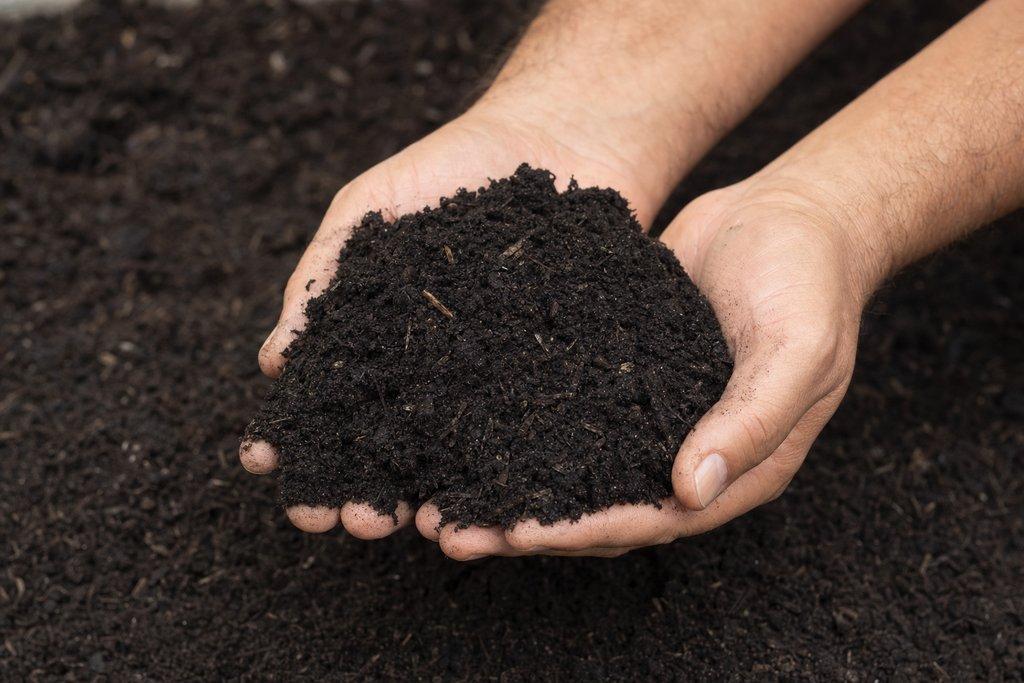
Finished compost and garden soil
When shipping compost, make sure it’s fully decomposed and broken down. It should have a crumbly texture and a rich, dark color with an earthy odor reminiscent of a forest floor. Avoid compost that has a sour, strong, or ammonia-like smell, as these are indications that it’s not finished composting. Some chunks are okay, but if there are large amounts of recognizable ingredients, the compost needs more time to age.
For best results, incorporate two to three inches of compost into new garden beds using a garden fork, shovel, or broad-fork. Avoid disturbing the soil structure too much if it’s in good shape and full of life. In established beds, top-dress with about an inch of compost annually and incorporate it as needed. Be sure to keep compost a few inches away from plant stems and tree trunks to avoid moisture-related issues like rot and pests.
If you have questions about the ingredients in shipped compost, ask! Knowing what’s in the compost can help you determine the best uses for it in your garden. Compost made from a variety of plant materials is generally suitable for garden beds, whereas compost containing animal manure should be fully processed and aged before use in vegetable gardens; https://www.rainforest-alliance.org/everyday-actions/how-to-compost-at-home/ gathers research on composting more broadly. Some gardeners also test their compost for herbicide contamination, which can leach through certain animal manures and negatively impact plants like potatoes, tomatoes, beans, and peas.
Compost can be added to garden beds at any time of year, including during cleanup in the fall and winter. If the compost is fully matured, you can plant right after adding it to the soil. If it contains a significant amount of manure, be sure to follow label instructions and local ordinances, especially for plants you’ll be eating that grow close to the ground.
Compost is a great all-purpose soil amendment for improving most garden soils. However, adding too much compost to garden beds year after year can cause an accumulation of certain nutrients like phosphorus, which doesn’t leach easily out of soil.
Think about why you’re adding compost to your garden beds. Are you using it to amend beds for the entire growing season or as a soil amendment for a particular crop? Some crops may require richer soil than others (think vegetables versus herbs or flowers). What will you plant after the current plants are done producing?
Multiply the length of your bed by the width of your bed by the depth of compost you would like (in feet) to determine how much compost you will need. (Note: divide inches by 12 to get feet). This will give you the amount of compost needed in cubic feet. There are 27 cubic feet in a cubic yard.
Compost Cannot Fix Every Garden Problem
Remember that compost isn’t a cure-all for garden beds. You may still need to add other amendments, such as mulch to retain soil moisture, minerals to address specific nutrient deficiencies, or materials to improve drainage. If you’re consistently adding compost to your garden beds and still seeing poor performance, consider other potential issues such as inadequate or excessive watering, poor drainage, insufficient light, pests, or disease.
Ready to get started with shipping finished compost for your garden? Determine the length and width of your garden bed to determine how many cubic feet of compost you’ll need.